
Published Last updated
Home service SEO: build the pages people call from
One page per job people pay for, the questions it answers, and the SEO work a one-truck business can skip.

Founder, ProveWorth
Key Takeaways
- 1Build one page for each job people pay for before you add any new pages.
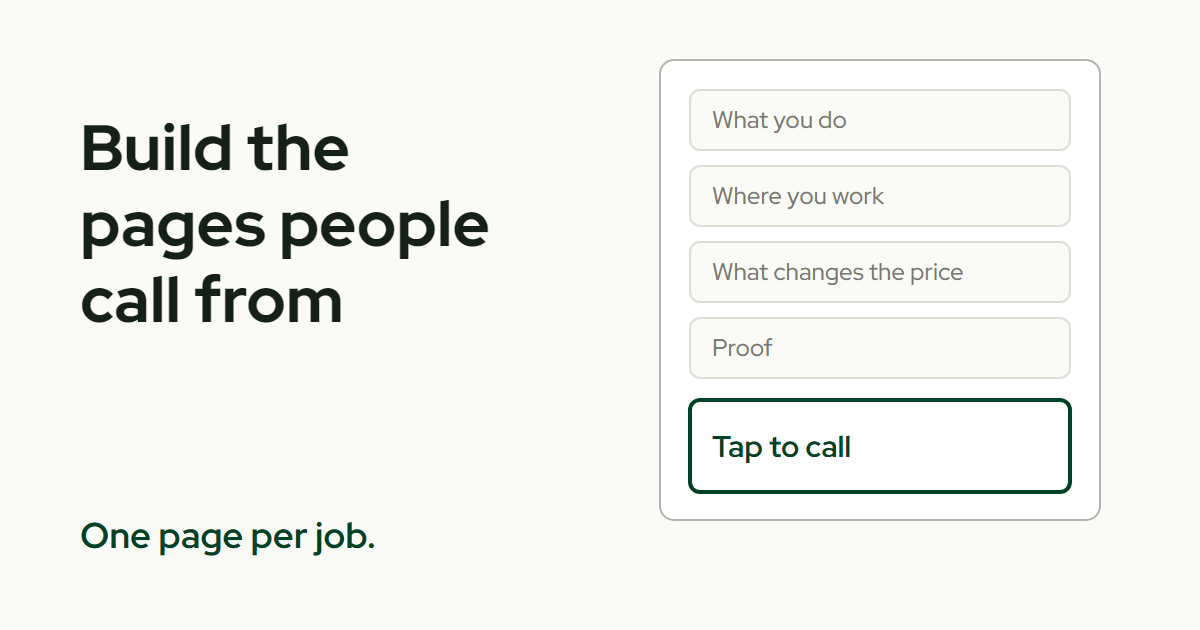
- 2A service page answers what you do, where you work, what changes the price, and how to reach you.
- 3Google says no one can pay for a better local ranking. Local Services Ads are a separate pay-per-lead product.
- 4Agency case studies report traffic, not calls or jobs, so don't copy them into your own forecast.
- 5Judge SEO by qualified inquiries and accepted jobs, not by traffic.
Home service SEO starts with one page for each job you want more of. Write it around what a buyer asks before calling: what you do, where you work, what changes the price, and how to reach you. Build that page first. A page for every town and a blog nobody asked for can wait.
Should I do SEO or run ads first?
It depends on how soon you need calls and what you can spend. Ads can test demand sooner. SEO builds something you keep. Neither fixes a website that nobody can understand.
Google is plain about the money side. Its help page says there's no way to request or pay for a better local ranking. Local Services Ads are a separate product, which Google describes as pay-per-lead listings for verified local service providers. You pay for valid leads. The Local Services Ads guide covers whether that fits your trade.
Whichever you pick, fix the basics: a page that loads on a phone, a phone number you can tap, and your services in plain words.
What goes on a service page?
Pick one job people pay for, such as weekly pet waste cleanup or a move-out clean. Improve the page that already covers it before you make a new one.
| The buyer asks | The page says |
|---|---|
| What exactly do you do? | The job, what it includes and what it leaves out. |
| Where do you work? | The towns and neighborhoods you serve. |
| What changes the price? | The few things that move a quote, such as yard size or number of dogs. |
| How does it work? | What happens on the first visit and how billing runs. |
| Why should I trust you? | Real reviews, photos of your work, the insurance you actually carry, and years in business. |
| How do I reach you? | A phone number you can tap and a short request form. |
FetchPoop, a pet waste company in Northern Colorado, shows how far plain answers go. Its site lists per-visit prices by number of dogs and names the towns it serves.
Answer the big objections next to the part of the page they belong to. Then link to the related page, such as the neighboring service or your proof.
Do I need a page for every town?
Only when the page has something specific to say about that town. A copy of your service page with a new town name adds little for a buyer.
Google says its ranking systems favor content made to help people over content made to game rankings. Your Business Profile handles coverage on its own. Google says a service-area business should have one profile tied to its central location, with a designated service area.
What does my Google Business Profile do that my website can't?
It puts you on the map. Google says local results are mainly based on relevance, distance, and popularity. Its prominence factor draws on how many websites link to your business and how many reviews you have.
Your website is where the buyer decides. Your profile is where they find you. The local SEO guide covers the profile side.
What do agency case studies actually show?
They show what the agency chose to report. BrightLocal says Search Console clicks for an HVAC and plumbing company rose from 4.62K to 9.57K over eight months. The case lists no calls or jobs.
Another BrightLocal case reports a number one spot for one junk removal search that names a small town. That was on desktop, and number two on mobile. It also lists no lead counts.
Clicks count visits. They don't count calls. Don't copy a traffic increase from someone else's case into a forecast for your phone.
How long until the phone rings?
I couldn't find a time-to-results figure on any Google page, so any date you're quoted is the seller's estimate. Measure your own instead, as the next section shows.
How do I know it worked?
Track three things for the page you changed: the searches that bring people to it, the inquiries that come from it, and the jobs you accept. More traffic alone doesn't mean a better month.
Ask every new customer how they found you, and write the answer down. The customer acquisition cost guide shows a sheet for it.
What can I skip?
- A page per town with the same text. It answers no new question.
- A blog on topics unrelated to a job you sell. Write about the work that pays.
- A promise of a number one ranking. Google says no one can buy a better local ranking.
- Software before the page works. BrightLocal publishes software plans at $31 to $49 a month for one location on annual billing and managed local SEO at $1,299 a month. Those are one vendor's prices, not a market rate.
The short answer on what local SEO costs covers what to ask before you pay anyone.
Where does SEO fit in home services marketing?
It is one shelf of several. Ads, reviews, neighbors and referrals are the others, and each has its own cost per customer.
For neighbors, see the guides on Nextdoor and door hangers. For mail, see Every Door Direct Mail.
What do I do next?
Pick the one service page that earns the most. Rewrite it with the table above, check that the phone number taps, and wait for real searches to show up.
ProveWorth builds websites around the services you name, with a call button on every page and a quote form under each service. See the website plan or how ProveWorth works.
Sources
- Google Business Profile Help, improve your local ranking
- Google Search Central, helpful, reliable, people-first content
- Google Business Profile Help, guidelines for representing your business
- Google, Local Services Ads
- Google Local Services Ads Help, how leads work
- BrightLocal, HVAC and plumbing case study (the vendor's own account)
- BrightLocal, junk removal case study (the vendor's own account)
- BrightLocal, published pricing
- FetchPoop, published service prices

Founder, ProveWorth
Built ProveWorth - the trust layer for human communities. We surface real reviews from real members across hundreds of communities, so you can find the one that fits and join with confidence.
Frequently Asked Questions
Should I do SEO or run ads first?
It depends on how soon you need calls and what you can spend. Ads can test demand sooner, SEO builds something you keep, and neither replaces a website people can understand.
What goes on a home service page?
The job and what it covers, where you work, and what changes the price. Add how it works, proof such as reviews and photos, and a phone number a customer can tap.
Do I need a page for every town?
Only if the page has something specific to say about that town. A copy of your service page with a new town name adds little for a buyer.
Can I pay to be first on the map?
Google says there's no way to request or pay for a better local ranking. Local Services Ads are a separate pay-per-lead product for verified providers.
How long does home service SEO take?
I couldn't find a time-to-results figure on any Google page. Treat any date you are quoted as an estimate, and track queries, inquiries and accepted jobs instead.
How do I know home service SEO worked?
Look for more relevant searches, more qualified inquiries and more accepted jobs. More traffic alone does not show that the business got better.
ProveWorth
Reviews on your own page
Your business gets a free page and your customers write what goes on it. We read each review, publish it, and email you so you can reply.
Get your free pageSee the websites we buildRelated Guides
Nextdoor for a local service business: the free page, the paid options and how to tell them apart
The Business Page is free. Paid promotion is separate, and Nextdoor prints no price for it. Here is how to set up the page and track each result.
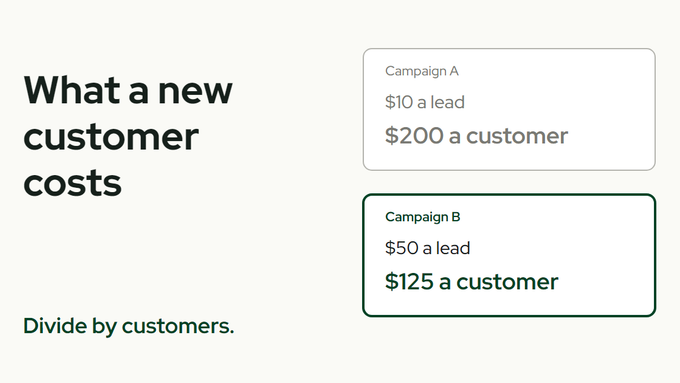
What does a new customer cost your service business?
A worked table, the one-truck example, and the few numbers worth writing down each month.
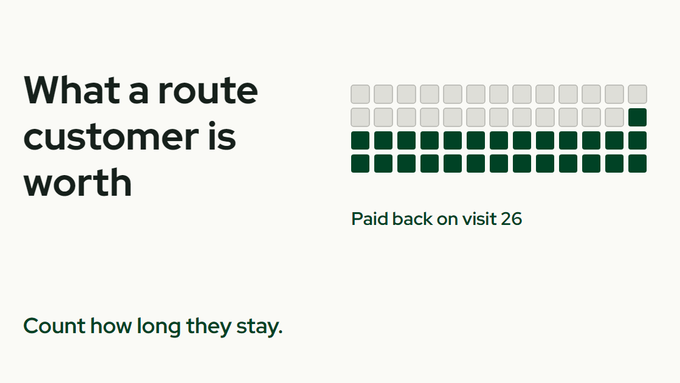
How to calculate what a weekly route customer is worth
Weekly route arithmetic, step by step, with the one number you have to measure instead of guess: how long customers stay.